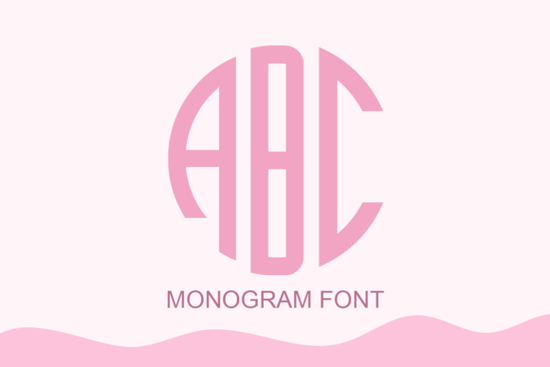
If you're looking for a clean, versatile monogram font that works as well on a hand-stitched necklace tag as it does on a modern t-shirt design, the Monogram Font is a solid choice. It’s designed with crafters and small creative businesses in mind no extra fluff, no overcomplicated alternates. Just one well-drawn, balanced display font that holds up at small sizes (think embroidery hoops or vinyl cutter settings) and still looks sharp blown up for wall art or shop signage.
What kind of projects is this font best for?
This isn’t a font meant for body text or long paragraphs. It shines where personality and clarity matter most: single-letter initials, paired monograms (like “EJ” or “M&L”), and short brand identifiers. You’ll see it used often by makers who sell custom apparel, personalized jewelry, boutique packaging, and handmade home goods. Because the letterforms have subtle contrast and generous spacing, it reads cleanly even when cut from heat-transfer vinyl or stitched with 3–4 thread colors.
It also pairs nicely with simpler sans-serifs or neutral script fonts if you’re building layered designs say, a monogram above a business name in Arvoire Leonard Font Display Fonts. That kind of contrast gives depth without visual noise.
How does it compare to other display fonts on Creative Fabrica?
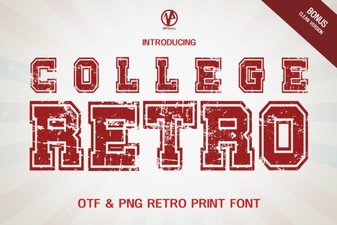
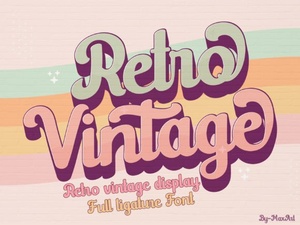
Unlike some retro-heavy options, Monogram stays neutral enough to fit both minimalist and vintage-leaning projects. If you’ve tried the retro-vintage font collection, you’ll notice Monogram doesn’t lean into distressed textures or exaggerated serifs it’s cleaner, more adaptable. For contrast, the college-retro font styles tend to be bolder and more playful, while chunky retro fonts prioritize weight and impact over fine detail.
That makes Monogram especially useful if your workflow includes multiple output methods: embroidery digitizing, Cricut/Silhouette cutting, sublimation printing, or even hand-lettered mockups. You won’t need to adjust kerning drastically between sizes and that saves time when prepping files for different vendors or machines.
Is it beginner-friendly for crafters new to fonts?
Yes. It comes in standard OTF format, works in Cricut Design Space, Silhouette Studio, Adobe Illustrator, and Canva (via upload). No ligatures or stylistic sets to manage just uppercase letters, numbers, and basic punctuation. That simplicity helps avoid common pitfalls like missing characters or unexpected spacing shifts when exporting for print or cut files.
If you're just starting out with custom fonts, pairing Monogram with something like the Arvoire Leonard Font Display Fonts gives you a clear hierarchy: strong monogram first, then a friendly supporting typeface for names or taglines. No guesswork needed.
Real-world uses you can try this week
- Labeling handmade soap bars or candle jars with initials + year (e.g., “A 2024”)
- Creating reusable iron-on transfers for kids’ clothing with their first initial
- Designing a simple logo lockup for a small Etsy shop selling leather goods
- Adding monogrammed details to digital planner covers or printable wedding stationery
- Cutting vinyl decals for laptop stickers or water bottle labels
One thing to keep in mind: because it’s a display font, avoid using it below 16pt in print or under 20px on screen unless you’re testing output first. Small sizes work fine for embroidery or laser engraving but always check your machine’s minimum recommended height before sending to production.
Where to find similar fonts
If you like the balance and clarity of Monogram Font, you might also appreciate the Monogram Font itself (it’s part of a small but consistent family), or explore how it sits alongside other focused display options like the Arvoire Leonard Font for contrast, or the Chunky Retro Font if you ever want to pivot toward bolder branding.
For quick testing, try opening your design software and typing out three variations: your shop initials, a customer’s name, and a short phrase like “Handmade • Small Batch.” See how Monogram handles spacing, alignment, and visual weight across those contexts. If it feels balanced and legible in all three, it’s likely a good fit for your current project list.
Next step: Download the font, open it in your preferred design tool, and test it at three sizes 12pt, 36pt, and 72pt on a white background. Then try exporting each as a PNG and zooming in. Look for crisp edges, even stroke contrast, and no hint of blurriness. If it passes that check, you’re ready to start designing.
Try It Free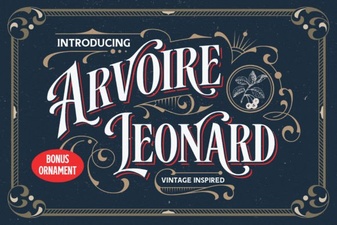 Leonard Arvoire Font for Creative Projects
 College Retro Font Design Projects & Tips
 Vintage Fonts for Modern Creative Projects
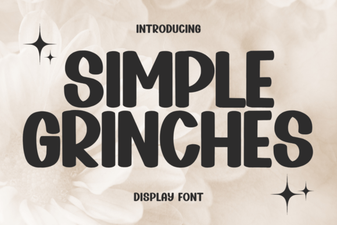 Simple Grinch Fonts for Festive Designs
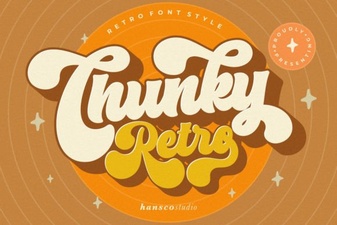 Bold Retro Fonts for Creative Design Projects
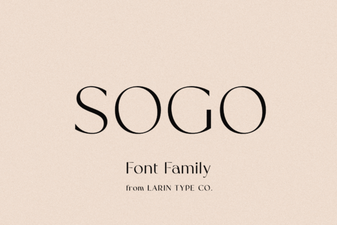 Sogo Font: Creative Uses and Design Ideas